
Darren Langdon, managing director of Mirius, explores why sustainability in cleaning should be assessed through operational performance and supply chain impact rather than environmental labels.

The rise of ‘green’ cleaning has pushed sustainability further up the procurement agenda and encouraged greater scrutiny of the environmental credentials attached to cleaning products. While that is a positive shift for the industry, it has also created a market where products carrying eco claims or sitting within dedicated green ranges are often immediately viewed as the more sustainable choice.
The challenge is that a ‘green’ claim can only tell part of the story, particularly where environmental messaging is not supported by clear evidence or operational data. In fact, the European Commission found that 53% of examined environmental claims were vague, misleading or unfounded, while 40% were not backed by scientific data or verifiable evidence.
For facilities teams, understanding the environmental impact of a cleaning product means looking beyond the label and considering the wider impact created across the supply chain and its daily operational use over time.
Sustainability in operational reality
For facilities managers, environmental impact is shaped by how products perform once they reach the site. Dilution rates influence how frequently stock needs replacing, while unreliable performance can result in repeat cleaning, unnecessary product use and additional labour demand.
These pressures become more visible across larger estates and high-frequency cleaning environments, where even small inefficiencies can scale quickly. In practical terms, products that require more frequent replenishment or inconsistent application can create more waste and operational strain, even where environmental claims appear strong.
This matters because facilities teams cannot prioritise sustainability at the expense of performance. Cleaning products still need to deliver consistently in busy, high-demand environments. If products cannot perform reliably, then the wider environmental benefits attached to them can quickly start to diminish.
The supply chain impact behind cleaning products
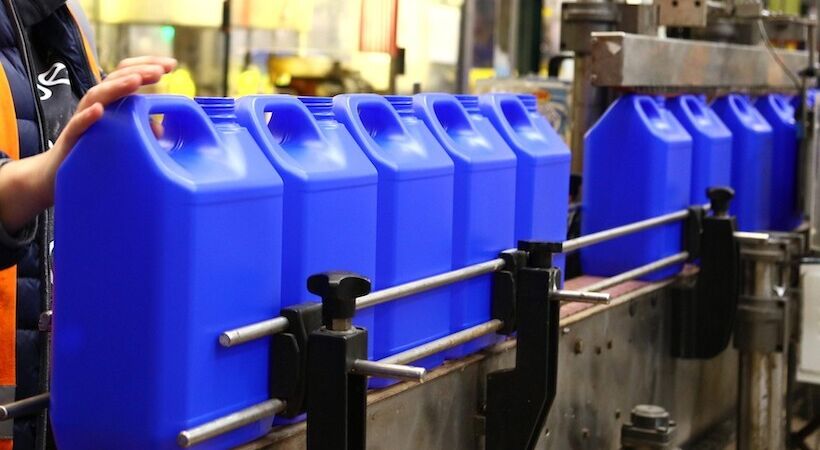
The impact created during manufacturing and transport also forms part of the wider sustainability picture. Packaging choices can increase material use before products are used and continue to affect waste afterwards. Packaging formats also influence how efficiently products move through the supply chain, while concentrated products may help reduce transport demand and storage pressures over time.
The environmental impact of a product is therefore shaped by the full operational journey of a product rather than a single environmental claim attached to the label.
Making sustainability decisions that stand up to scrutiny
Eco labels can help buyers identify products that meet recognised environmental standards, but they often cannot provide a complete picture of the impact of a cleaning product. Meaningful sustainability assessment requires a broader understanding of how products perform within operational environments and how decisions made across the supply chain influence overall impact.
As scrutiny around sustainability claims continues to increase, procurement teams will need stronger evidence behind the decisions they make. This is being reinforced by the EU’s Empowering Consumers for the Green Transition Directive, known as EmpCo, which is designed to tackle greenwashing by requiring environmental claims to be clear, specific and backed by credible evidence.
For facilities teams, that means moving beyond surface-level environmental claims and looking more closely at product performance, efficiency, packaging and supply chain impact. The industry needs a more evidence-based approach to sustainability, one focused less on how products are labelled and more on the measurable impact they create in practice.
https://mirius.com/