
Kelsey Hargreaves, Technical Manager at BICSc, reports.
Imagine it. You arrive at your local supermarket ready to scan tonight’s tub of ice cream and tomorrow’s meal deal for work. The queue for the cashier is full, but the self-scan machines sit empty. Instead of waiting, you head straight for the machine, scanning your guilty pleasures with efficiency and ease, wondering why others aren’t doing the same. Hold that thought.
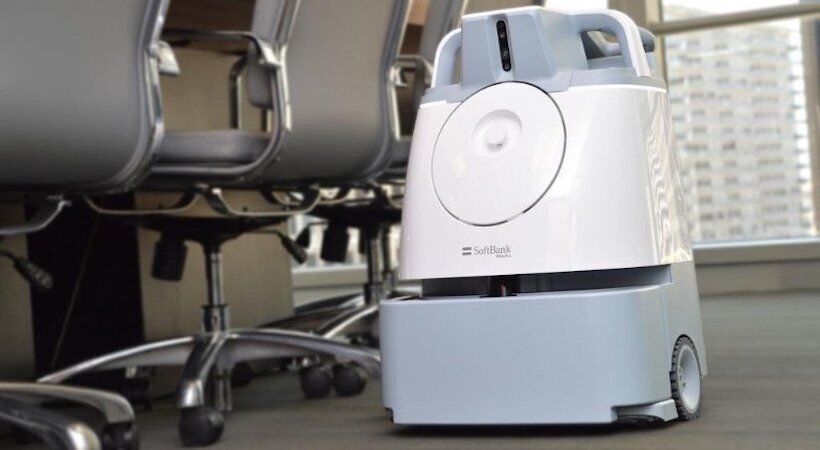
The cleaning industry, in all its facets, is developing innovation at a pace that rivals the most industrialised sectors. Robotics, cobotics, and intelligent automation are no longer futuristic ideas – they are here, active, and increasingly capable. Yet the rate of adoption remains surprisingly marginal. The hesitation echoes the same themes we have heard time and time again: cost, complexity of implementation, concerns around usability, the perceived limitations of current technology, and the ever-present argument of “machines replacing jobs.”
It is easy to sympathise with these concerns. Change is rarely comfortable, and in an industry built on people, service, and trust, the idea of introducing machines can feel disruptive. But it is important not to discount automation entirely. History shows us that industries do not disappear due to innovation – they evolve.
We can almost hear the response already: the groans, the resistance, the certainty that cleaning, as a service, cannot be replaced. And in many ways, that is correct. It will not be replaced – but it will not remain the same either. The key driver for this change will not be technology itself, but expectation. Service users are beginning to demand faster, more efficient, and more consistent outcomes. We now operate in a world of instant gratification, where convenience shapes behaviour and, ultimately, reshapes roles.
Consider how the role of a cleaning operative has already changed. Thirty years ago, would responsibilities have included maintaining and charging equipment for the next shift? Unlikely. Yet today, that blend of operational and technical responsibility is becoming increasingly normal. Automation does not remove roles; it reshapes them, often requiring new skills and creating opportunities for more skilled, more engaging work.
Returning to that Wednesday night trip to the corner shop provides an interesting lens. Few of us would have stopped to consider whether using the self-checkout was taking work away from the cashier. So why do we expect clients to have that concern when it comes to cleaning?
Did you worry about scanning your own items, completing part of the process yourself rather than relying on a member of staff? Again, likely not. So why is there resistance when cleaning machines require interaction, oversight, or collaboration?
This is where cobotics – the collaboration between human operatives and machines – becomes so important. The narrative should not be framed as “human versus machine”, but rather as “human with machine”. Cobotic solutions are designed to support, not replace. They take on repetitive, physically demanding, or time-consuming tasks, allowing operatives to focus on areas that require judgement, detail, and human awareness.
The empty self-checkouts highlight another key barrier: understanding and trust. Why were people avoiding them? In most cases, it comes down to one of two reasons. Either they did not fully understand how to use the technology, or they felt it could not yet deliver the service they required. The critical word here is “yet”.
The same principle applies within the cleaning sector. Early experiences with automation may not have been seamless. Machines may have had limitations. But the pace of development is accelerating, and capability is improving rapidly. What was not possible yesterday may well be standard tomorrow.
The challenge for the industry, then, is not whether to adopt automation, but how to integrate it effectively. This means training teams, supporting understanding, and reframing the conversation away from fear and towards opportunity. It means recognising that while machines can enhance productivity and consistency, the human element remains essential in delivering a quality service.
Ultimately, resisting automation entirely risks leaving the industry behind the expectations of its clients. Embracing it thoughtfully, however, allows the industry to evolve, improve, and remain competitive.
So next time you head for the self-checkout without hesitation, it may be worth reflecting on that choice. Because the behaviours we accept in everyday life are the same ones that will shape the future of our industry.
https://www.bics.org.uk/
About the contributor

Kelsey Hargreaves
Technical Manager
BICSc