Nicholas Donnithorne, UK Technical Manager at Peter Cox, reports.
One in five properties in the UK suffer from condensation and students, who are often less used to managing a property, may find it a challenge to prevent this turning into a more severe damp and mould problem. Mould and damp cause more than just aesthetic problems. Left unchecked, these issues can cause damage to plaster work, lead to structural issues such as wet or dry rot, and can even impact inhabitants’ health.
For those managing student accommodation, effective knowledge-sharing is essential to ensure tenants can identify, address, and prevent damp issues. During property visits, landlords should assess whether active steps can be taken to reduce moisture production and ensure adequate heating and ventilation, while also conducting regular checks for any signs of issues.
With new regulations such as Awaab’s Law and the Renters’ Right Act setting stricter standards for social and private rentals, understanding how to manage damp and mould has never been more important.

How to spot a damp problem in your property
Spotting a damp patch or mould in your property can be cause for concern and should never be ignored. Fortunately, there are some simple steps you can take to address two of the most common causes of damp and mould in homes: penetrating damp and condensation. These forms of damp have very different causes and therefore require different approaches. Below, I outline what landlords should look for, and how to manage each effectively.
Tackling penetrating damp
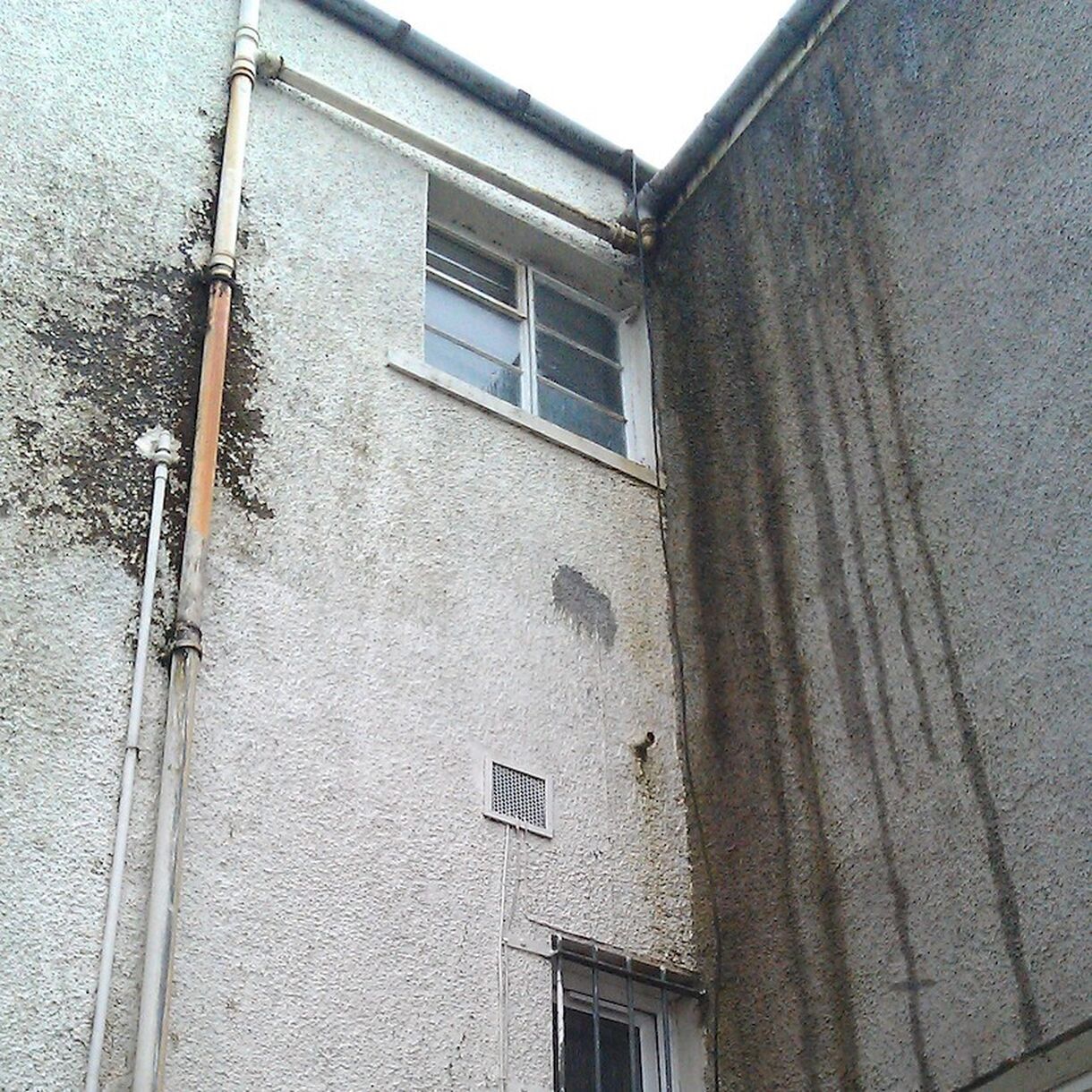
Penetrating damp is produced by moisture that enters the house due to wind-driven rain, flooding, or defects in the building structure. This is particularly true of solid (rather than cavity) wall properties. Common ways this can occur is through porous masonry, cracked pipework, blocked guttering, gaps around window frames, or cracked rendering and brickwork. Thankfully, it can often be remedied through actions such as clearing out gutters and drains, particularly before and after stormy weather.
Regular inspections and maintenance may prevent further damage by identifying and fixing the problem before it worsens. Defects can often be found on the exterior of the property, located in the same place or just above where there are signs of damp in the interior.
If penetrating damp is suspected, landlords should begin with a careful visual inspection, paying particular attention to exterior walls, rooflines, and points where water may collect or enter, such as around windows, flashings, or pipework. It is important to distinguish penetrating damp from condensation or rising damp, as each requires different treatments.
Once likely sources have been identified, landlords should prioritise maintenance that addresses the cause rather than masking symptoms. In more complex cases, professional assessment can confirm the extent of moisture ingress and guide appropriate, long-lasting remedial work.
Managing condensation and preventing mould
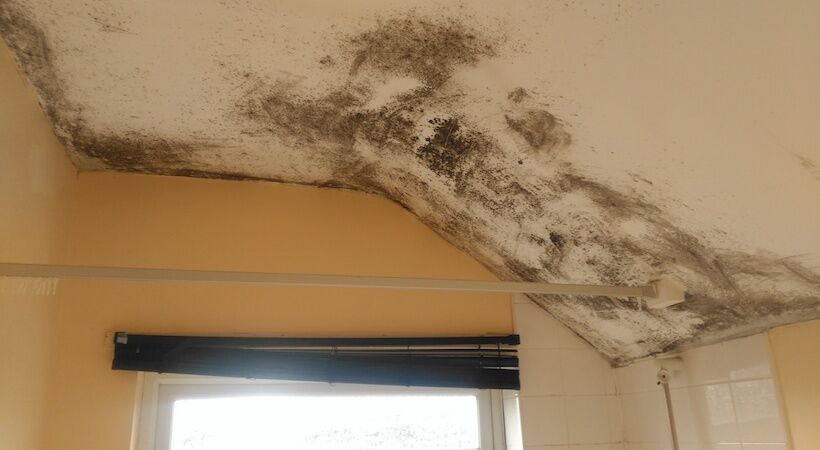
Condensation is often the root cause of mould growth indoors. Condensation occurs when warm, moist air comes into contact with cold surfaces like a wall, window or mirror and condenses into a liquid state. Everyday activities such as bathing and showering, cooking and drying clothes inside, can all increase humidity levels inside the home. With poor ventilation, condensation can lead to black mould which thrives in poorly ventilated environments.
While condensation is a common issue in student properties, it can often be controlled if occupants understand what is causing excessive moisture in the atmosphere.
Landlords can play a key role by helping students understand how their daily habits affect these increased humidity levels. Encourage tenants to ventilate rooms for five to ten minutes each day (especially in winter) or keep a quarter light open, and use extractor fans when cooking or showering. Remind them to keep lids on pans, close kitchen and bathroom doors during use, and avoid drying clothes on radiators. Clothes should be air-dried outdoors where possible, or on racks in well-ventilated rooms.
Maintaining a steady indoor temperature whilst ensuring trickle vents and air bricks remain unblocked, will all help prevent condensation from forming in the first place.
If left unaddressed, condensation can create the perfect conditions for mould growth. Mould thrives in areas of persistent moisture and reduced ventilation, such as behind furniture (like big sofas in bay windows), long curtains, in corners or on cold external walls, and can appear as black, green or grey patches. Beyond damaging décor, mould can release spores that can aggravate asthma, allergies, and other respiratory conditions – making prevention and early intervention essential.
Good ventilation also reduces the risk of dust mite allergens and volatile organic compounds (such as those from cleaning products, hair spray, deodorant, and scented candles) aggravating existing respiratory issues.
When mould is visible, it should be cleaned promptly and safely. Biocidal cleaners are the most effective, offering longer-term protection than standard bleach products, though bleach can be used to remove surface staining. However, cleaning alone will not resolve the problem if the underlying moisture remains.
The cause of the issue, whether that be poor ventilation, tenant education, or building defects, must be addressed to prevent recurrence. Supporting tenants to understand this balance between cleanliness, ventilation, and maintenance is one of the most effective ways to protect both the property and its occupants.
Understanding the impact of Awaab’s Law
Awaab’s Law came into effect this week, setting clear timeframes for social landlords in England to address serious issues such as damp and mould, while reaffirming tenants’ rights to escalate non-compliance directly to the Housing Ombudsman. These standards have also been extended to the private rental sector, including to student accommodation, through the Renters’ Rights Act.
These developments build on the HHSRS rating system and set statutory time lines for landlords to react to reported issues from tenants. In practice, this means damp and mould must not be treated as minor maintenance issues, but as potential health hazards requiring prompt, documented action. For the most severe cases, usually where residents’ health is at risk, immediate remediation or temporary re-housing will be required.
For landlords, this is an opportunity to take a proactive stance. Conduct regular property checks, maintain clear communication channels with tenants, and record remedial work. Peter Cox’s experience across both public and private sectors shows that early intervention and clear protocols surrounding the protection of tenant wellbeing is key to compliance.
Final words
Taking a proactive approach to damp and condensation is essential as the colder months set in. Regular inspections, timely maintenance, and open communication with tenants not only protect a property’s structure but also its occupants’ wellbeing. By prioritising prevention over repair, landlords can create safer, healthier homes and demonstrate real duty of care to their residents.
https://www.petercox.com/