

Sylvain Rottier, VP Tennant Company EMEA, reports.
The cleaning industry is changing rapidly, and it's happening as regulations toughen on chemical usage. For instance, the 2024-25 EU chemical reform is forcing cleaning managers to rethink their usage of traditional cleaning chemicals. Meanwhile, the reality of 2.97 million non-fatal workplace accidents across the EU annually, with over half linked to slips and trips, means that cleaning choices are crucial.

Up until now, it’s been assumed that effective cleaning means a trade-off: chemical effectiveness versus sustainability, deep cleaning versus safety risks. However, recent innovations may sweep away the outdated assumptions behind this view.
The invisible costs of staying chemical-heavy
The financial impact of slip-and-fall incidents alone should give any facilities manager cause for concern : in the UK, employers lose more than £500 million annually to slip and trip incidents, and that's before adding reputational damage and regulatory fines. In Ireland, the average settled slip-and-fall claim reaches over €42,000, but the true cost reaches over four times that figure when downtime and administrative overheads are included.
Furthermore, labour still looms over cleaning budgets at 92-97% of total spend. When you're cycling through expensive chemical products that require multiple applications, extensive rinsing, and lengthy drying times, you're essentially throwing money at a problem that creates more problems. Every wasted chemical cycle adds cost without significantly offsetting wage expenses.
Why change is accelerating
Key regulations are shifting. Siloxane, PFAS, and phosphorus restrictions tighten from 2026, effectively shrinking the toolbox of "easy" cleaning chemicals that cleaners have used for decades. The EU Council's draft detergent regulation is adding digital product passports and refill targets directly into procurement rules, thus favouring solutions that reduce packaging and labelling.
Moreover, rising ESG disclosure requirements will mean a greater need to quantify cleaning's Scope 3 emissions; every litre of neutralised chemical increases an organisation’s carbon footprint. The impetus comes from investors, regulators, and increasingly from staff who question why they should be asked to handle dangerous chemicals when alternatives exist.
How it works
Electrolysed water (ECW) produces hypochlorous acid and nanobubbles that lift soils effectively, then revert to ordinary water, avoiding chemical discharge entirely. ECW scrubbers are linked to improved dynamic-coefficient-of-friction values, meaning lower slip potential compared to traditional mop-and-soap regimes. Perhaps most importantly, eliminating the rinse steps can ensure floors become dry faster, minimising downtime and moisture-related falls.
Robotics as the force multiplier
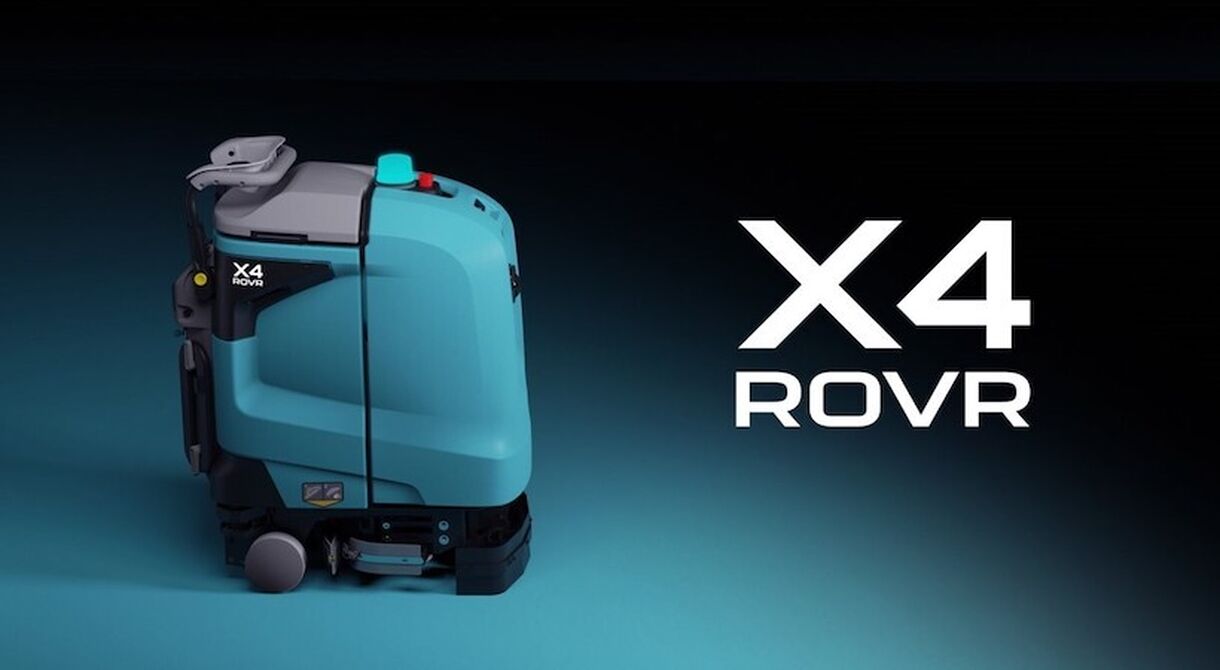
The European autonomous floor-cleaning robot market grew to €2.1 billion in 2024 and is expected to reach €6-8 billion by 2033 (14-16% CAGR). These robots provide consistent cleaning performance that manual teams can't match, offer precise compliance tracking, and deliver operational efficiencies through extended uptime and reduced chemical usage, especially in high-traffic facilities.
Getting started
Start with an audit of existing floors for slip-resistance and residue load. Pilot detergent-free cleaning in zones with high incident rates or where water-sensitive assets necessitate quick drying. Align robotics deployments with sustainability reporting cycles to capture low-chemical wins under CSRD or local green-building certifications.
Collaborate with safety committees post-deployment, documenting before and after DCOF results for insurers and regulators. Before full deployment, it’s worth training teams on hybrid human-robot workflows, emphasising that automation redistributes labour to detailed tasks rather than replacing staff.
The future
Detergent-free robotic cleaning is an intuitive development as environmental regulations tighten, sustainability goals become more ambitious, and safety standards grow stricter. Organisations that adopt this technology early can avoid regulatory complications, reduce costs from workplace accidents and chemical management, and allow their teams to focus on more valuable tasks.
https://www.tennantco.com/en_gb.html