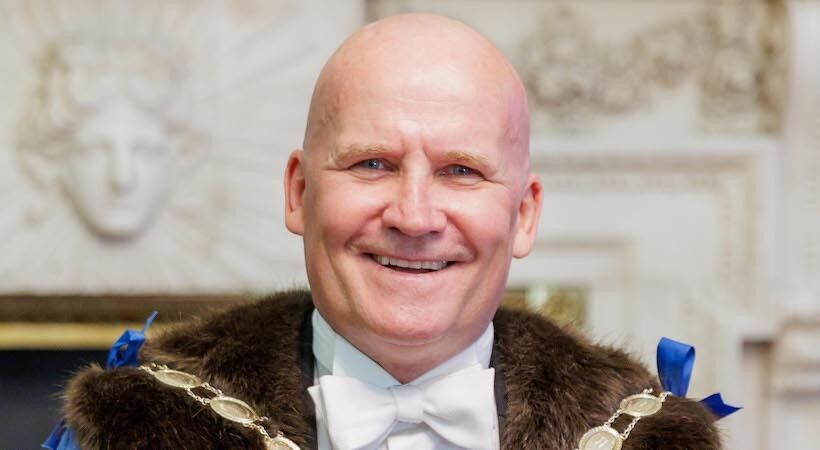
In his second article, Darren Marston, Master of the Worshipful Company of Environmental Cleaners, explains who the Master of the Livery is and what they do.
From medieval guilds to modern networks
Addressing someone as 'Master' might raise a few eyebrows in our 21st Century world. But amongst the many formal titles floating around, this one carries special meaning for those leading a modern Livery Company in the UK.
Livery companies have their roots in medieval London where they functioned as the world's first trade associations. The earliest started in the 12th century, and some are still going strong today. Ancient Companies, such as the Woolmen, Goldsmiths and Fishmongers have been around for centuries. But even now, brand new liveries are still being created, with the Worshipful Companies of Entrepreneurs and Communicators only incorporating in 2025, making 114 Livery Companies to date.
The [original] liveries have evolved into accessible professional networks. They still matter because they contribute funding for training programmes, developing future talent, and conducting substantial charitable work within their respective industries and beyond.
The 114 Livery Companies between them contribute more than £80 million annually. Take the Worshipful Company of Environmental Cleaners as an example. Its Charitable Trust supports cleaning industry professionals, funds educational initiatives, and partners with aligned charities. It also recognises Environmental Health Technicians in the Military, Veterans, the London Air Ambulance, and much more.
The leadership structure
So, what does the Master do? Much like a Chairman leading a Board of Directors, the Master is elected to lead the Court of Assistants (usually just called ‘the Court’), for one or two years, which is essentially the company's governing body.
Not all liveries use the title 'Master'. Some use Prime Warden or Upper Bailiff instead. Some companies have senior positions typically held by a member of the Royal Family who serves as Perpetual or Grand Master, or Royal Patron for years.
Merit over background
The respect for a Master's position comes from what they've contributed to the Livery and their standing as professionals in their respective industry. In other words, they are a Master of their trade.
This merit-based approach is one of the best things about the cleaning sector though. Combine it with proper training and education (which is exactly what the Livery provides) and you've got real opportunities for people to progress. This is evidenced by the WCEC's work in launching the world's first Chartership scheme for Environmental Cleaners. Granted by Royal Charter, the WCEC runs the register that allows cleaning professionals all over the world to become Chartered Environmental Cleaners. It's not just a privilege for other professions like engineers, accountants and surveyors anymore.
Past WCEC Masters, come from various backgrounds, both men and women amongst them. However, their stories often sound familiar - with many starting as apprentices, working their way up through dedication and skill, and eventually becoming business owners or Directors themselves. Mentors will have invited them to join the Livery, and now they're doing the same for the next generation.
Responsibilities and influence
The Master also champions professional excellence and development across their sector. The role involves a lot of internal strategic decision making, representing the Livery at civic functions, formal ceremonies, military events, and charitable activities like awards presentations and scholarship ceremonies. The Master and Court are also directly involved with significant decisions in the City through the Corporation of London. For example, Liverymen vote to elect the Lord Mayor and Sheriffs annually, and can also vote for Aldermen who oversee City governance.
So yes, joining a Livery means some ceremony and protocol. You'll need to use formal titles when addressing the Court. However, at its heart it is a professional community dedicated to advancing the industry and contributing to society. The Master’s primary role is to lead the Company in upholding the best interests of the industry. If that is something you want to see, why wouldn’t you want to join?
To find out more about the Worshipful Company of Environmental Cleaners, please visit:
https://wc-ec.com/
Call me ‘Master’
Published 21st November, 2025 by Neil Nixon